



Ahmad Bagh: Tilhar’s Historical Heritage — A Priceless World of Mangoes Lost in the Race for Development.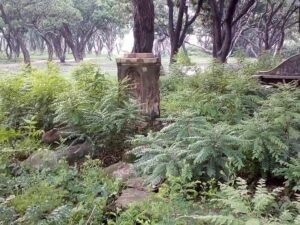
Located behind the tehsil office in the Ummerpur area, Ahmad Bagh was once a defining landmark of Tilhar. Today, residential buildings have replaced its mango trees, but memories of the garden remain alive in the town’s history and in the minds of its people.
Tilhar, Shahjahanpur: Ahmad Bagh, situated behind the tehsil office in the Ummerpur area of Tilhar town in Uttar Pradesh, was once renowned for its diverse varieties of mangoes. It was not merely a mango orchard but an important part of the town’s identity and historical heritage. The grafted mangoes grown here were famous not only in the surrounding areas but also in several other states. These mangoes were recognised not so much by their individual varieties as by the name they carried — “Mangoes from Ahmad Bagh.”
It is said that Hafiz Mohammad Ahmad Khan planted this orchard approximately a century ago. Over time, the garden became an integral part of Tilhar’s identity. Its lush greenery, diverse mango varieties and excellent fruit quality distinguished it from other orchards in the town. Generations changed and times evolved, but the name Ahmad Bagh remained on people’s lips for many years.
### When Residential Colonies Replaced the Orchard
With the passage of time, circumstances changed, and the orchard that once symbolised Tilhar’s natural beauty and fruit production gradually became a part of history. Over the past several years, the orchard was completely cleared. Its land was divided into plots and sold, and residential development has since taken place there.
The place where rows of mango trees once stood is now occupied by houses and residential neighbourhoods. With this transformation, Tilhar lost a distinctive part of its identity — one that may never be possible to restore in its original form.
A Heritage Left Behind in the Race for Wealth-
The story of Ahmad Bagh is not merely the story of an orchard that disappeared. It also reflects a changing era in which the economic value of land often takes precedence over its historical, cultural and natural significance.
There was a time when an orchard was valued for its trees, the quality of its fruit and the memories associated with it. Ahmad Bagh was a perfect example. Its grafted mangoes gave it a reputation that required neither publicity nor formal recognition. Its popularity among the people was its greatest distinction.
The irony is that such an important piece of local heritage gradually disappeared without its history being systematically documented. Today, for many members of the younger generation, Ahmad Bagh may be little more than an old name, even though it was once a symbol of Tilhar’s pride and glory.
Waiting for a Place in the Pages of History-
Although Ahmad Bagh no longer exists in its original form, the memories associated with it, the fame of its mangoes and the contribution of Hafiz Mohammad Ahmad Khan, who established the orchard, deserve a place in the history of Tilhar.
There is a need to collect and preserve information about such historical and natural heritage sites of the town. Accounts shared by elderly residents, old photographs of the orchard, details of the mango varieties grown there and related documents could become valuable historical resources for future generations.
The history of a town is not shaped solely by its buildings, roads and markets. It is also shaped by the trees, gardens and people who gave that town its distinctive identity.
Ahmad Bagh may no longer exist on the ground, but it can still be given a place in the collective memory of Tilhar. All that is needed is a sincere effort to recognise this forgotten heritage, preserve its memories and record its story in the pages of history.
Because land may be sold for wealth, but restoring the identity of a lost heritage is never easy. The story of Tilhar’s history is far from over…
About The Author