

 A Ground-Level Critical Review of the Student Protest at Jantar Mantar, New Delhi
By M. Imran Sagar
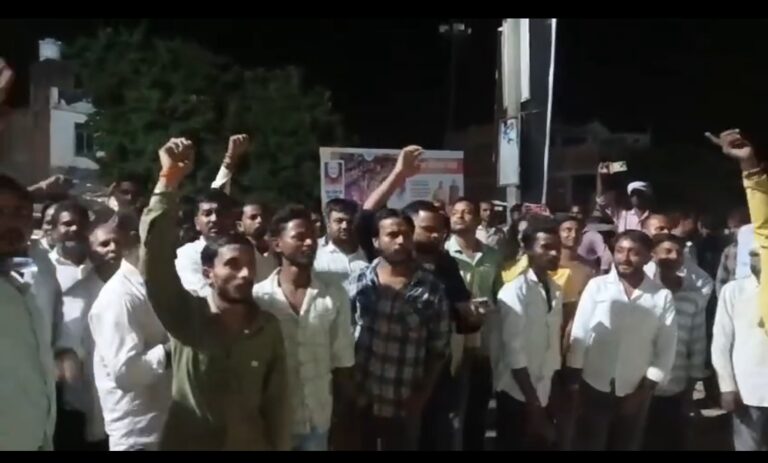
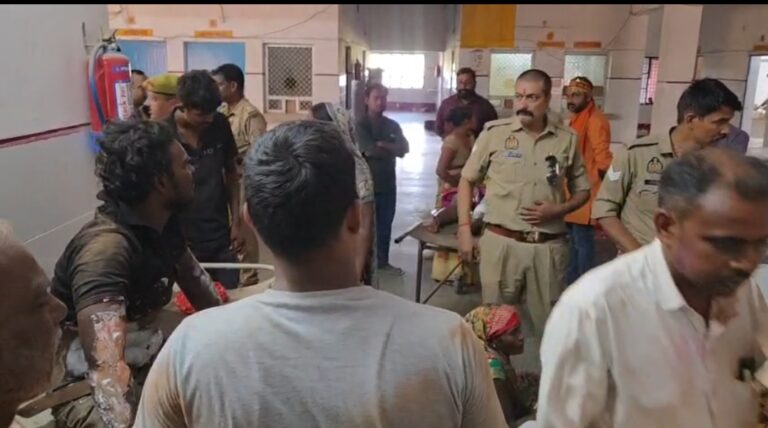
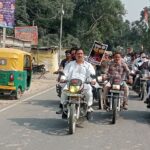
In the scorching heat of Delhi, unarmed students staged a peaceful protest at Jantar Mantar to safeguard not only their own futures but also the future of the country’s youth. According to the account presented here, police used force against the protesting students. The author claims that while much of the mainstream media did not cover the events, videos and reports circulated widely on social media and were seen by people across India and abroad.
Sonam Wangchuk, widely known as an environmental activist, joined the protest in support of students backed by the CJP and also began a hunger strike at the protest site. The author states that after nearly 19 days without a response from the government, the protesters announced a march towards Parliament. At that point, Delhi Police allegedly detained Wangchuk, citing concerns over his deteriorating health and the need for medical treatment. He was subsequently taken to a hospital.
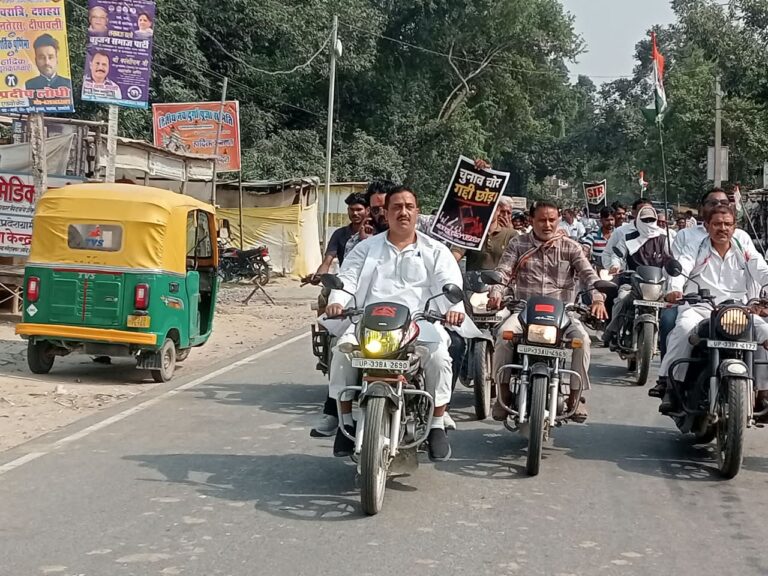
Meanwhile, demonstrations spread to several states and districts across the country. Some individuals reportedly viewed the movement as an opportunity for political visibility, while various political parties publicly expressed support for the student protest. Their respective state and district units were instructed to organize symbolic demonstrations and submit memorandums to local authorities.
The opposition also became actively involved. According to the author, political leaders including Rahul Gandhi, Sonia Gandhi, Arvind Kejriwal, Sanjay Singh, Chandrashekhar Azad, and Akhilesh Yadav, along with Tamilaga Vettri Kazhagam leader Vijay, actor Prakash Raj, actor Naseeruddin Shah, and several other prominent public figures, participated in or expressed support for the movement, as widely seen on social media.
Initially centered on demands for basic reforms in the education system, the movement gradually gained momentum. The author argues that this was not accidental, but rather the result of repeated criticism and disparaging remarks from those in power, as well as what the author describes as excessive action by the Delhi administration against the protesters—events that were widely shared on social media.
The author further argues that India’s middle class spends a substantial portion of its income on children’s education, yet recurring examination paper leaks continue to undermine students’ efforts. According to the author, some young people, frustrated by repeated paper leaks and uncertainty, died by suicide. The author contends that inadequate action against those responsible has contributed to public anger and strengthened the protest movement.
Even if all other issues are set aside, the author believes that a significant section of India’s youth—described as the nation’s future—has come to identify with this movement. Previous generations learned about the struggles against British colonial rule through history books. In the author’s view, today’s youth have, through this protest, gained a deeper understanding of how people respond when systemic failures go unaddressed and grievances remain unheard. The author concludes that, when pushed beyond a certain point, citizens possess the collective power to demand accountability and bring about systemic change.
Note: This is a faithful English translation of the original Hindi text. It reflects the author’s opinions and allegations and should not be interpreted as independently verified facts.
About The Author